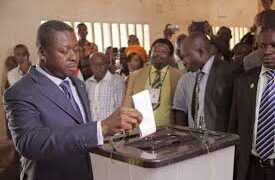


Togo held municipal elections on Thursday, but voter turnout was strikingly low, especially in the capital, Lomé, where polling stations remained largely empty. The subdued atmosphere followed a wave of deadly protests last month, sparked by controversial constitutional reforms that critics say could entrench President Faure Gnassingbé’s grip on power.
Many citizens chose to stay home, citing fear of violence and a lack of faith in the electoral process.
“People are afraid of being attacked by protesters for legitimising these elections, or afraid of being dispersed by security forces,” said Edem Adjaklo, a voter in Lomé’s Gakli neighborhood.
Others expressed frustration over what they see as predetermined outcomes, with little hope for change.
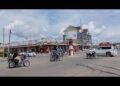
The streets of Lomé were quiet, but tense. A noticeable deployment of police and military forces at key intersections added to the unease. Despite calls for demonstrations against Gnassingbé, no major protests took place on election day.
Gnassingbé, who has ruled Togo since 2005 following the death of his father, recently oversaw sweeping constitutional changes. The reforms, passed by a parliament dominated by his Union pour la République (UNIR) party, replaced the presidential system with a parliamentary one.
Under the new system, Gnassingbé was sworn in as president of the Council of Ministers a role akin to prime minister with no term limits. Critics have labeled the move a “constitutional coup,” warning it could allow him to remain in power indefinitely.
Civil society groups and diaspora based influencers urged voters to boycott the elections, which were the first national vote since the reforms. Public anger has also been fueled by economic hardship, high unemployment, and the suppression of dissent.
The recent unrest was ignited by the arrest of rapper and TikTok personality Tchala Essowe Narcisse, known as Aamron, who had called for protests on the president’s birthday. His detention intensified public outrage and reignited long-standing grievances.
Although Togo is officially a democracy, critics argue that it functions more like a militarized state, with the army playing a central role in political affairs. Public demonstrations have been banned since mass protests in 2017–2018, when thousands rallied under slogans like “Faure Must Go” and “Togo Stands Up.”