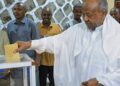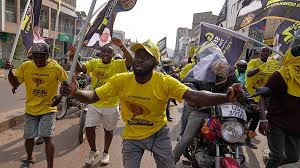


Celebrations broke out in Kampala on Saturday as President Yoweri Museveni was announced the winner of a seventh term in office. Official tallies show Museveni receiving 71.6% of the vote, while his main challenger, Bobi Wine, garnered 24.7% and dismissed the results as fraudulent.
Voter turnout reached only 52%, the lowest recorded since 2006. Election observers reported widespread intimidation, including incidents of violence, arrests, and abductions that contributed to an atmosphere of fear.
Despite these concerns, some voters insist their choices were freely made. Charity worker Jane Atuku said she supports Museveni because she benefited from Uganda’s universal primary education program, which enabled her to study through university.
At 81 years old, Museveni has ruled Uganda since 1986. His tenure has included the removal of presidential term and age limits, and several opposition figures have been jailed or pushed aside. Still, many supporters credit him with maintaining peace and stability.
Chef Annet Muigyaala praised Museveni’s long leadership, saying Uganda has remained peaceful throughout her life and that economic opportunities have expanded for many citizens, including women.
The opposition, however, paints a starkly different picture. Bobi Wine accused authorities of ballot stuffing and said security forces harassed him and his supporters, sometimes using tear gas. He campaigned wearing a flak jacket and helmet due to safety concerns.
The election was further disrupted by a four-day internet shutdown and widespread failures of biometric voter identification machines, causing delays in Kampala and other areas. These technical breakdowns are expected to form part of any legal challenge Wine may pursue. Previous court challenges to Museveni’s victories have been dismissed, though judges have recommended electoral reforms.
As Uganda absorbs the contested results, the malfunctioning biometric systems may become a central issue in the post-election legal battle.
- Latest
- Trending