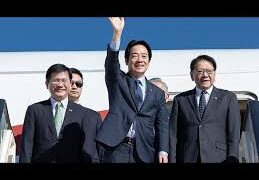


Lai Ching te returned to Taiwan after a three day visit to Eswatini, declaring that international travel between nations is a “basic right” and reaffirming Taiwan’s commitment to maintaining global connections despite mounting pressure from China.
The trip, which took place from 2 May, had initially been scheduled for the previous month but was delayed after Taipei said China pressured several countries to deny transit access to Lai’s aircraft. While Beijing did not directly confirm this, it expressed appreciation for the decisions made by those nations.
Undeterred, Lai rescheduled the visit and proceeded with his trip, during which he held discussions with Eswatini officials on cooperation in areas such as trade, agriculture, education, and culture. Eswatini remains one of Taiwan’s few formal diplomatic allies.
Speaking upon his return, Lai described exchanges between national leaders as natural and essential, likening them to visits between friends. He said the successful trip demonstrated Taiwan’s determination to remain active on the global stage despite external obstacles.
China, which claims Taiwan as part of its territory, has continued efforts to limit the island’s international presence by discouraging other countries from maintaining official ties with Taipei. These pressures have increasingly affected Taiwan’s diplomatic outreach and even its travel routes.
Lai emphasized Taiwan’s global identity in his remarks, stating that the island would not retreat in the face of political pressure and would continue to engage with the international community.
He also expressed appreciation to Eswatini’s Deputy Prime Minister, Thulisile Dladla, who assisted in organizing the visit and ensuring smooth travel arrangements. Dladla had traveled to Taiwan ahead of the trip to help coordinate preparations.
The visit, Lai said, highlights Taiwan’s resolve to sustain meaningful international partnerships, even as diplomatic challenges persist.