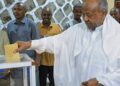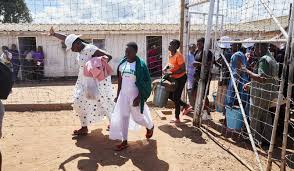


Zimbabwe on Monday started releasing nearly 4,000 inmates following a presidential amnesty aimed at reducing overcrowding in the country’s prisons.
The decision was announced by the cabinet in February, the same day it approved proposed constitutional amendments that form part of a plan to extend President Emmerson Mnangagwa’s term in office until 2030.
The clemency order authorises a general amnesty for selected categories of convicted prisoners. Justice Minister Ziyambi Ziyambi said the 2026 amnesty is “targeted and merit-based,” focusing on vulnerable inmates and those who have shown meaningful rehabilitation.
He added that the measure reflects a commitment to restorative justice and compassion, and stressed that individuals convicted of serious offences are excluded.
A total of 4,305 inmates — including 223 women — are expected to benefit from the Clemency Order.
At Harare Central Prison on Monday, hundreds of inmates gathered in the yard. Those still dressed in orange prison uniforms sat separately from men who had changed into civilian clothing and were awaiting final processing before returning home.
Among those released was 23-year-old Tendai Chitsika, who had been serving a six-month sentence for theft and had two months remaining.
“It was a learning curve for me. I’m a changed person and I promise to do good out there,” he said, thanking the president for the opportunity.
Some inmates chanted slogans praising Mnangagwa, while one held up a banner bearing his image.
Demetria Sichauke, one of the women freed under the order, said she had gained new skills during her incarceration, including making bags and key holders, and vowed to leave drug dealing behind.
According to the latest national data, Zimbabwe’s prison population stood at just over 24,000 inmates in the second quarter of 2025.
The amnesty does not apply to prisoners convicted under the Maintenance of Peace and Order Act — legislation previously used against protesters and members of the political opposition.
The prisoner release comes amid growing controversy over proposed constitutional amendments that would allow Mnangagwa to extend his presidency by two years. Opposition figures have labelled the plan a constitutional “coup,” particularly provisions that would eliminate general presidential elections and instead empower parliament to select the president.
The proposed changes must still be approved by parliament, where the ruling ZANU-PF party holds a majority.