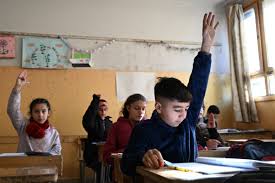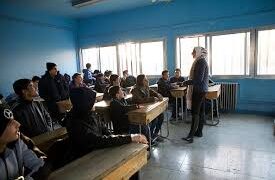


A week following the unexpected collapse of the Assad regime, Syrians are returning to their schools, embracing a newfound sense of freedom.
With rebels now in control, the populace experiences a complex array of emotions: joy for the newfound liberties, sorrow from years of oppression, and a blend of hopes and anxieties regarding the future.
Maysoun al-Ali, the principal of Nahla Zaidan school, remarked, “Today marks the first day of classes since the regime’s downfall. We are now in a liberated Syria. Our nation has always aspired for greatness. We are committed to rebuilding this country alongside these children, even if some harbor fears. They are here to contribute to Syria’s reconstruction and share in its achievements. We aspire for further progress, security, and development in this cherished land.”
The transition has been surprisingly smooth, with minimal incidents of revenge or sectarian strife, instances of looting and vandalism have been swiftly addressed, as insurgent fighters maintain order.
Ribah al-Ahmad, a resident of Damascus, noted, “A week after the fall of Assad’s regime, we have returned to the university. The atmosphere is more peaceful, attendance has increased, and the professors are more encouraging.”
The war has fractured families, former prisoners bear deep psychological scars from their ordeals, and many detainees remain unaccounted for.
The economy is devastated, poverty is rampant, and inflation and unemployment rates are soaring, with corruption permeating daily life.
Despite these challenges, Syria remains fragmented and isolated after fifty years under Assad’s rule. Nevertheless, during this period of transformation, many are eager to chart a new course forward.