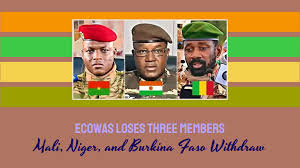


West Africa’s regional body, ECOWAS, has established a timeline for the exit of three nations that have experienced coups, following nearly a year of mediation efforts aimed at preserving unity within the organization.
Omar Touray, president of the ECOWAS Commission, revealed that the transitional phase will take place from January 29, 2025, to July 29, 2025, while still allowing for engagement with the three countries during this period.
At the commencement of the summit, Touray described the decision as “disheartening.”
Earlier this year, Burkina Faso, Mali, and Niger announced their plans to withdraw from ECOWAS, citing the bloc’s sanctions and its inability to effectively tackle their ongoing security issues.
Being a member of ECOWAS provides significant benefits, including visa-free travel among member states, and it remains unclear how this will change once the three countries leave the organization.
In a significant development for the nearly 50-year-old bloc, the military governments of Niger, Mali, and Burkina Faso have firmly rejected ECOWAS’ efforts to convince them to reconsider their exit and are considering the issuance of their own travel documents and the formation of a separate alliance.
The one-year notice period for their departure is anticipated to conclude as scheduled. Touray commended the commitment of the bloc’s envoys in their attempts to resolve the ongoing crisis.
“These initiatives underscore your collective dedication to fostering peace and unity in our region,” he stated.
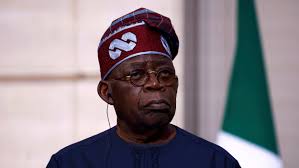
Bola Tinubu, the President of Nigeria and Chairman of ECOWAS, highlighted that both global and regional challenges are testing their ability to collaborate effectively.
“We must stay committed to our primary responsibility, which is to protect our citizens and create conditions for their prosperity,” he remarked.
One notable benefit of ECOWAS membership is the freedom of movement among member states, though the impact of three countries’ exit from the organization remains unclear.
In response to inquiries about the potential implications in July, the President of the ECOWAS Commission stated, “Leaving an agreement… especially one related to free trade and the movement of people, risks forfeiting those advantages.”
On Saturday, the three departing nations released a joint statement asserting that while their borders would remain open to other West African citizens without visa requirements, they “reserve the right … to refuse entry to any ECOWAS national deemed an inadmissible immigrant.”
Since its inception in 1975, ECOWAS has served as the foremost political authority in West Africa, and this rift poses its most significant challenge to date, according to Babacar Ndiaye, a senior fellow at the Timbuktu Institute for Peace Studies in Senegal.
The chances of ECOWAS successfully reintegrating the three nations are slim, primarily because the bloc is advocating for a rapid return to democratic governance, which the military regimes have not committed to uphold, explained Mucahid Durmaz, a senior analyst at global risk consultancy Verisk Maplecroft.
Permitting the military juntas to retain power “could result in further regional fragmentation,” while recognizing them as legitimate authorities would represent “a serious departure from ECOWAS’s founding principles,” Durmaz noted.
He also emphasized that the regional organization has not effectively addressed the ongoing situation.
Durmaz noted that the diverse responses of the bloc to coups in the region indicate that its stance is influenced more by the political ambitions of its member states than by its fundamental objective of promoting democratic governance.