

Niger’s government has imposed a three-month suspension on the BBC due to its reporting on an extremist attack that reportedly resulted in the deaths of numerous Nigerien soldiers and civilians, as stated by officials on Thursday.
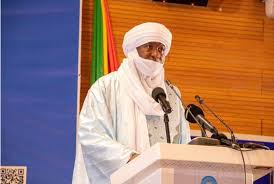
Communications Minister Raliou Sidi Mohamed accused the BBC of disseminating false information that threatens social stability and undermines the morale of the military. In correspondence with local radio stations that air BBC content, he instructed them to cease broadcasting its programs immediately.
The BBC has refrained from commenting on the suspension.
Popular BBC programs, including those in Hausa, the most widely spoken language in Niger, are distributed in the country through local radio partners to engage a broad audience in the region.
On Wednesday, the BBC reported in Hausa that armed assailants had killed over 90 Nigerien soldiers and more than 40 civilians in two villages near the Burkina Faso border.
Radio France International (RFI) also covered the incident, labeling it a jihadi attack and reporting the same casualty figures.
In response, Niger’s authorities denied that any attack occurred in the region, as stated on state television, and announced plans to file a complaint against RFI for “incitement to genocide.”
For over a decade, Niger, along with Burkina Faso and Mali, has been grappling with an insurgency led by jihadi groups, some of which are affiliated with al-Qaida and the Islamic State. Following military coups in these countries in recent years, the ruling juntas have expelled French military forces and sought security support from Russian mercenary groups.