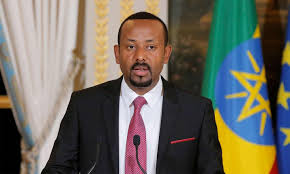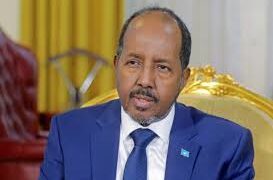


Ethiopia and Somalia announced on Wednesday their agreement to engage in “technical talks” aimed at addressing a dispute arising from Ethiopia’s arrangement with Somaliland, a self-declared independent region of Somalia. This announcement followed discussions held in Turkey.
Turkey has been facilitating dialogue between the two East African nations, which have experienced rising tensions since Ethiopia signed a memorandum of understanding with Somaliland in January. This agreement involves leasing land along Somaliland’s coastline for the establishment of a marine force base, with Ethiopia agreeing to acknowledge Somaliland’s independence—a move that Somalia contends violates its sovereignty.
A joint declaration was made after Turkish President Recep Tayyip Erdogan held separate meetings with Somali President Hassan Sheik Mohamud and Ethiopian Prime Minister Abiy Ahmed on Wednesday.
The declaration outlines that the discussions will commence by February 2025 and are expected to conclude within four months. It emphasizes the importance of respecting Somalia’s territorial integrity while acknowledging the “potential benefits” of Ethiopia’s access to maritime resources.
Additionally, the declaration indicates that both parties will strive to “finalize mutually beneficial commercial agreements” that would enable Ethiopia to secure reliable and sustainable access to the sea, under the sovereign authority of the Federal Republic of Somalia.
Somaliland has been functioning independently from Somalia for over three decades, yet it lacks recognition from the African Union and the United Nations as a sovereign state. Somalia continues to regard Somaliland as part of its territory.
In contrast to Somalia’s ongoing challenges with insecurity, particularly from the al-Qaida-affiliated militant group al-Shabab, Somaliland has established a stable political climate. In November, Somaliland conducted a presidential election that bolstered its aspirations for international recognition.
Ethiopia, with a population exceeding 120 million, holds the distinction of being the most populous landlocked nation globally.
Turkey has facilitated two rounds of discussions among the foreign ministers of African nations, but the anticipated third round in September was postponed, raising alarms about potential rising tensions.
During a late-night press conference in Ankara, Turkish President Erdogan, accompanied by leaders Mohamud and Abiy, announced that the parties have reached a significant milestone in their efforts to resolve the ongoing dispute. Erdogan emphasized that the joint declaration is centered on “the future and not the past.”
He remarked, “By addressing certain grievances and misunderstandings, we have initiated a new chapter focused on peace and collaboration between Somalia and Ethiopia.” Erdogan expressed hope that Somalia would take measures to grant Ethiopia access to the sea.
The Ethiopian Prime Minister reiterated, “I want to emphasize that Ethiopia’s quest for secure sea access is a peaceful initiative that will benefit all our neighboring countries.” He expressed confidence that the productive discussions would usher in a new era characterized by cooperation, friendship, and a commitment to collaboration rather than conflict.
Mohamud highlighted the precarious and volatile nature of the Horn of Africa, stressing the necessity for Ethiopia and Somalia to collaborate for the mutual benefit of both nations.
Turkey has established strong relations with Somalia and has recently signed agreements to enhance cooperation in defense and oil and gas exploration, while also maintaining economic and trade relations with Ethiopia.
In Somaliland, an opposition leader who had previously criticized the memorandum with Ethiopia won the presidential election last month and is scheduled to be inaugurated on Thursday.