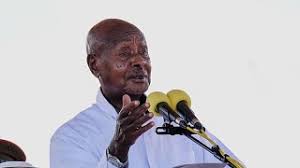


Ugandan President Yoweri Museveni has signed a controversial new law aimed at preventing foreign interference in the country, despite criticism and warnings from opposition groups, rights organizations, and members of civil society.
Museveni, 81, has long accused opposition figures and non governmental organizations of receiving foreign funding to undermine stability in the East African nation.
The new “Protection of Sovereignty” law, approved by parliament earlier this month, seeks to criminalize activities considered to promote foreign interests at the expense of Uganda’s national interests.
Under the legislation, offenders could face prison sentences of up to 10 years. The law also prohibits individuals or organizations from developing or implementing policies without government authorization.
The measure has triggered widespread concern among human rights activists, journalists, and parts of the business community, who argue that it could restrict freedoms and discourage foreign investment in Uganda.
Former deputy attorney general and finance minister Mwesigwa Rukutana said the bill had faced opposition from nearly every sector of society.
“This bill has been opposed by almost all segments of society,” he said, urging authorities to hold broader consultations to revise or possibly withdraw the legislation.
Meanwhile, Human Rights Watch criticized the law, saying it resembles legislation adopted in Russia and some allied states. The organization argued that the law uses vague language that could be broadly applied against activists and critics viewed as troublesome by authorities.