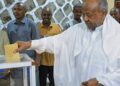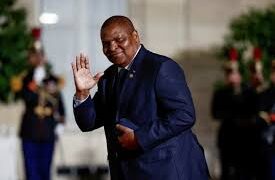


In the Central African Republic, President Faustin-Archange Touadéra is seeking a third consecutive term as voters head to the polls this Sunday in nationwide general elections. Touadéra, who has been in power since 2016, is running against six challengers but is widely viewed as the frontrunner due to his firm control over state institutions.
At 68, Touadéra’s potential victory would further cement Russia’s influence in the country. Moscow has strengthened ties with Bangui through a series of cooperation agreements, offering security assistance in exchange for access to key natural resources, including gold and diamonds.
Security has been at the center of Touadéra’s campaign. He has highlighted peace agreements signed this year with several armed groups, while others have been weakened by joint operations involving Russian Wagner mercenaries and Rwandan troops deployed alongside United Nations peacekeepers at the government’s request.
Opposition figures, however, accuse the president of entrenching himself in power following a 2023 constitutional referendum that abolished presidential term limits. Critics argue that Touadéra has failed to improve living conditions for the country’s estimated 5.5 million people, pointing to widespread poverty, deteriorating infrastructure, and a fragile economy.
The vote will include presidential, legislative, municipal, and regional elections held simultaneously. Preliminary results are expected on January 5.
Despite government claims of improved stability, analysts caution that the election remains high-risk. Rebel groups continue to operate in several parts of the country, particularly in the east, raising concerns about voter safety and election credibility.
Observers say a transparent and credible electoral process will be essential to preventing renewed violence and maintaining fragile stability in the country.