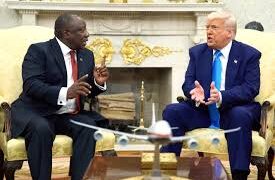


South Africa is finalizing preparations to host the G20 summit in Johannesburg this weekend, marking the first time the influential gathering of world leaders will be held on African soil. However, the event is clouded by the absence of the United States, as President Donald Trump has chosen to boycott the summit, raising concerns about its global impact.
Despite the setback, South African officials remain optimistic. With 42 countries confirmed to attend, the government views the summit as a chance to showcase Africa’s leadership and advocate for the interests of developing nations. The U.S., a founding G20 member and the next in line for the rotating presidency, will not participate a move that some analysts believe could streamline discussions.
Dr. Frederich Kirsten, an economist at the University of Johannesburg, suggests the U.S. withdrawal might actually sharpen the summit’s focus. “Without the distraction of competing policy agendas, there’s a stronger alignment among attendees,” he noted, adding that this could bolster South Africa’s influence.
Under its G20 presidency, South Africa has prioritized addressing the financial burdens faced by developing countries, particularly those linked to climate change. Although Africa holds 60% of the world’s renewable energy potential, it receives just 3% of global clean energy investment. Pretoria is expected to advocate for reforms that could unlock $1 trillion annually by 2030 to support climate resilience and energy transitions.
Domestically, the summit has sparked mixed reactions. Johannesburg has launched a multimillion-dollar infrastructure clean-up campaign ahead of the event, which some residents see as cosmetic. “Hosting the G20 won’t help ordinary South Africans,” said local resident Lerato Lelusa. “It’s just a waste of money.”
Others, like teacher Phakama Vezi, are more hopeful. “I’m glad world leaders are coming,” she said. “Maybe they’ll leave with a better understanding of our country and help change the narrative.”
As international delegates begin to arrive, the summit represents a pivotal moment for South Africa not only to elevate Africa’s voice in global affairs but also to prove that meaningful progress can be achieved, even without one of the world’s most powerful nations at the table.