

For the sixth consecutive night, youth-led demonstrators flooded the streets of Morocco on Thursday, defying fears of further violence after police fatally shot three people the previous evening. The protests, which have spread to at least a dozen cities including Casablanca, are driven by demands for improved public services particularly education and healthcare and calls for Prime Minister Aziz Akhannouch to step down.
Wednesday’s deaths occurred in Leqliaa, near Agadir, where security forces opened fire during unrest that followed largely peaceful demonstrations. The Interior Ministry claimed the victims were attempting to seize police weapons, though eyewitness accounts have yet to confirm that version of events. The ministry also reported 354 injuries, mostly among law enforcement, and widespread damage to vehicles, banks, shops, and public buildings across 23 provinces.
Despite Morocco’s monarchy holding ultimate authority, protesters have focused their anger on the government tasked with executing royal policy. On Thursday, hundreds chanted for King Mohammed VI to intervene, shouting slogans like “The people want to topple Akhannouch” and “Government out!” as rallies remained largely peaceful.
In his first public response, Prime Minister Akhannouch expressed sorrow over the deaths and praised law enforcement for maintaining order. He signaled a willingness to engage with protesters but offered no specifics. “Dialogue is the only way to address the challenges facing our country,” he said.
The demonstrations are spearheaded by Gen Z 212, a decentralized, internet-driven movement of young Moroccans. Authorities estimate that nearly 70% of participants are minors. The protests have grown rapidly, spreading to new areas despite lacking official permits.
At the heart of the unrest is frustration over perceived government neglect. Protesters have contrasted lavish spending on preparations for the 2030 World Cup with the dire state of schools and hospitals. Chants like “Health care first, we don’t want the World Cup” and “Stadiums are here, but where are the hospitals?” have become rallying cries. The recent deaths of eight women in an Agadir hospital have further fueled outrage.
As Morocco prepares to host the Africa Cup of Nations and looks ahead to parliamentary elections in 2026, the protests have spotlighted deep-rooted inequalities. Many citizens feel left behind by uneven development, with regional disparities and limited access to basic services driving discontent.
Gen Z 212 issued a statement declaring, “The right to health, education and a dignified life is not an empty slogan but a serious demand.” Government officials have denied prioritizing sports infrastructure over public welfare, blaming inherited issues for the health sector’s shortcomings.
Violence escalated Wednesday night, with clashes erupting in multiple cities. More than 1,000 people have reportedly been arrested, including some detained during live television interviews. The Moroccan Association for Human Rights has condemned the arrests, many of which were captured on video.
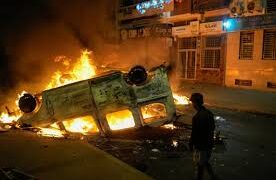
Despite calls for calm from political leaders and protest organizers, unrest continues to spread particularly in underserved regions. Footage from the country’s east and south shows demonstrators throwing rocks and setting vehicles ablaze.
The Gen Z protests echo similar youth-led movements in countries like Nepal, Kenya, and Madagascar, underscoring a broader wave of generational activism challenging entrenched systems across the globe.