

In light of ongoing concerns regarding the effects of significant funding reductions from the U.S. on global humanitarian efforts, the leader of the UN agency responsible for combating HIV-AIDS has issued a stark warning: without the restoration of support, an additional 6.3 million individuals could perish over the next four years.
Winnie Byanyima, Executive Director of UNAIDS, emphasized the potential resurgence of the disease, stating, “We will witness a significant increase in cases, leading to deaths reminiscent of the 1990s and 2000s.” She highlighted a projected “tenfold rise” from the 600,000 AIDS-related fatalities reported worldwide in 2023.
Byanyima described the abrupt withdrawal of American funding as “devastating” for HIV prevention efforts, which will ultimately endanger the lives of the most vulnerable populations. However, she also presented an “incredible opportunity” for U.S. President Donald Trump that she claimed could pave the way for “the end of AIDS.”
During a press conference in Geneva, Byanyima outlined a proposal that would allow Trump to facilitate the global production and licensing of Gilead’s “remarkable” prevention drug, Lenacapavir, to millions in need.
Lenacapavir, marketed as Sunlenca, has demonstrated effectiveness in preventing HIV infection through biannual injections for women and shows similar efficacy in men.
“President Trump is known for his affinity for deals,” Byanyima remarked, recalling that it was President George W. Bush who initiated funding for the extensive distribution of HIV medications over twenty years ago.
Byanyima stated, “It may be President Trump or another Republican leader who spearheads the movement to end AIDS.”
She emphasized that the agreement would not only generate profits for Gilead and create American jobs but also save millions of lives in developing nations.
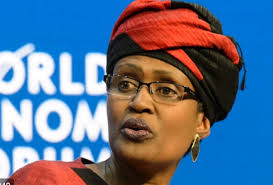
Byanyima noted that American contributions accounted for approximately 35% of UNAIDS’ core budget last year, but it remains uncertain if this funding will be reinstated for the upcoming year. She mentioned that the agency is in discussions with the U.S. government while also preparing for a potential scenario where U.S. funding is unavailable.
She expressed skepticism that other donors could compensate for this shortfall, pointing out that European donors have indicated they would reduce their support to reallocate funds towards defense and other pressing issues.
Byanyima warned that without a restoration of support for HIV initiatives, there could be over 6.3 million additional deaths in the next four years, along with an increase of 2,000 new infections daily.
She recognized that there has been legitimate criticism regarding the delivery of HIV aid, describing it as “an opportunity to rethink and develop more effective methods of providing life-saving assistance.”
Additionally, Byanyima mentioned that African nations are striving for greater self-sufficiency, with even some of the most impoverished countries attempting to strengthen their fragile health systems to accommodate individuals living with HIV.