


The significant rise in the number of refugees requiring assistance has put considerable pressure on the WFP’s food aid programs in Burundi.
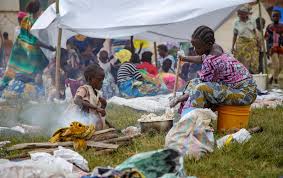
Since January 2025, approximately 70,000 individuals—predominantly women, children, and the elderly—have escaped violence in the Democratic Republic of the Congo (DRC) and sought refuge in Burundi. Many have undertaken perilous river crossings and traveled long distances in search of safety.
New arrivals continue to increase daily, contributing to the largest influx into Burundi in decades. Additionally, cross-border movements into neighboring countries such as Rwanda, Uganda, and Tanzania are also rising due to the intensifying conflict in eastern DRC, which poses a risk of exacerbating hunger throughout the region.
“Refugees are coming in daily, some burdened with hastily assembled bundles and suitcases, while others arrive with nothing but the clothes they are wearing,” stated Dragica Pajevic, WFP’s Deputy Regional Director for Eastern Africa, who is currently on-site to support operations in Burundi.
The refugee count has doubled within a matter of weeks, yet funding has not kept pace with this surge. Our resources are stretched to their limits, forcing us to modify our operations and reduce food rations to assist as many individuals as possible.
Out of the 70,000 individuals who have recently arrived in Burundi from the DRC, 60,000 have been registered for food assistance, effectively doubling WFP’s total refugee caseload to 120,000 in a short period.
WFP is supplying hot meals to the newly arrived Congolese refugees, who are currently accommodated in temporary transit camps, schools, churches, and sports stadiums.
At the same time, existing refugees are receiving food rations, which consist of a combination of in-kind food and cash assistance. However, to manage limited resources, WFP had to reduce rations for current refugees from 75 percent to 50 percent in March.
WFP currently possesses sufficient funding to support 120,000 refugees only until June. If further financial assistance is not secured, the organization will have to halt food aid completely starting in July, or potentially even sooner, as the number of refugees rises due to escalating conflict in eastern DRC.
To provide essential support to the most vulnerable populations through the end of the year, the agency urgently requires US$19.8 million.