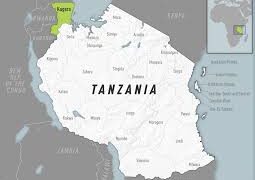


A potential outbreak of the lethal Marburg virus in northwestern Tanzania has raised concerns both within the country and among its neighbors.
Since the weekend, at least nine suspected cases of this Ebola-like virus have been reported, with eight of the infected individuals having succumbed to the illness.
In response to this alarming news, residents in the affected remote area are modifying their social interactions. “We have stopped greeting each other with handshakes, which was our traditional practice,” stated local resident Finton Ishengoma.
“Now, we greet from a distance and continue to adhere to the recommendations of health authorities on how to safeguard ourselves against this disease.”
The reports of suspected cases emerged just weeks after an outbreak in neighboring Rwanda was officially declared contained.
On Tuesday, the World Health Organization (WHO) announced that it is awaiting test results from samples taken from two patients to confirm the outbreak.
Marburg has a fatality rate that can reach up to 88 percent, and contacts of the infected individuals, including healthcare workers, have been identified and are under monitoring.
“We anticipate additional cases in the coming days as disease surveillance efforts are enhanced,” stated WHO Director-General Tedros Adhanom Ghebreyesus.
The organization has assessed the risk of the suspected outbreak as high at both national and regional levels, but low on a global scale. Similar to Ebola, the Marburg virus is believed to originate from fruit bats and spreads among humans through close contact with the bodily fluids of infected persons or contaminated surfaces, such as used bedding.
Symptoms of the disease include fever, muscle aches, diarrhea, vomiting, and in severe cases, death due to significant blood loss. Currently, there is no approved vaccine or treatment available for Marburg.