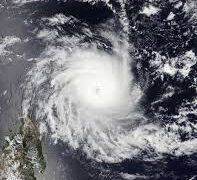


Cyclone Chido made landfall in Mozambique on Sunday, bringing with it intense winds and raising concerns about possible widespread destruction after passing over islands in the southeastern Indian Ocean.
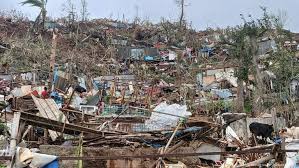
Images released by the UN Children’s Fund (UNICEF) showed boats damaged along the coastline and palm trees swaying violently in the wind. The Cabo Delgado province, home to around 2 million people, has reportedly experienced considerable devastation, as noted by the agency.
Guy Taylor, UNICEF Mozambique’s chief advocacy and communications officer, provided insights from Pemba, the capital of Cabo Delgado Province in northern Mozambique.
This morning, Cyclone Chido struck as a formidable tropical cyclone, delivering strong winds and heavy rainfall.
“UNICEF is alarmed by the immediate consequences of this cyclone: loss of life, destruction of schools, homes, and healthcare facilities. We are also concerned about the long-term effects: children may be deprived of education for weeks, individuals may struggle to access healthcare, and there is a risk of waterborne diseases such as cholera and malaria spreading,” he stated.
Taylor further mentioned in a video that communities could face prolonged isolation from educational institutions and healthcare services.
The recent storm has resulted in the loss of at least 11 lives in Mayotte, a French territory, with the nearby islands of Comoros and Madagascar also experiencing its effects.
The cyclone season in the southeastern Indian Ocean occurs from December to March, and southern Africa has been subjected to a series of severe storms in recent years.
In 2019, Cyclone Idai led to over 1,300 deaths across Mozambique, Malawi, and Zimbabwe.
Last year, Cyclone Freddy was responsible for more than 1,000 fatalities across several nations.
These cyclones bring risks of flooding and landslides, and the stagnant water they leave behind can trigger outbreaks of waterborne diseases such as cholera, as well as dengue fever and malaria.
Research suggests that the intensity of these cyclones is escalating due to climate change.
This predicament compels impoverished nations in southern Africa, which have a minimal contribution to global warming, to face significant humanitarian challenges, underscoring their urgent need for support from wealthier nations to mitigate the impacts of climate change.