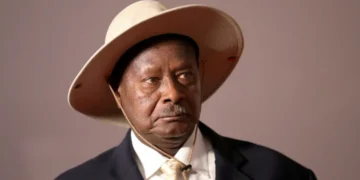


Ugandan President Yoweri Museveni has confirmed his intention to run in next year’s presidential election, signaling a possible continuation of his nearly 40 year tenure at the helm.
The 80 year old leader announced over the weekend that he had declared his interest in becoming the presidential flag bearer for his ruling party, the National Resistance Movement (NRM). Museveni, who came to power in 1986 following a five year civil war, has remained in office ever since.
Over the years, the NRM has amended the constitution twice removing term and age limits effectively clearing the path for Museveni’s extended rule.
While Museveni’s supporters credit him with maintaining relative stability, rights groups accuse his government of suppressing opposition through security forces and state influence allegations he denies.
In his announcement, Museveni pledged to steer Uganda toward becoming a $500 billion economy within the next five years, a dramatic leap from its current GDP of just under $66 billion, according to official data.
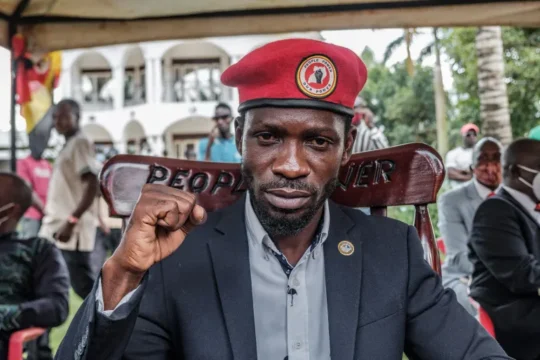
The country heads to the polls in January to elect both a president and members of parliament. Opposition leader Bobi Wine real name Robert Kyagulanyi has also declared his candidacy. He previously ran in 2021, but rejected the results, citing alleged electoral fraud and intimidation.
Political tensions have escalated in recent months following the passage of a controversial law allowing civilians to be tried in military courts a move previously ruled unconstitutional by Uganda’s Supreme Court. While the government argues the law enhances national security, critics say it undermines justice and targets dissenting voices.
Military courts have long been used to prosecute government opponents. In 2018, Bobi Wine was charged with illegal firearm possession by such a court, though the charges were later dismissed.
Human Rights Watch has repeatedly criticized Uganda’s military justice system, calling it lacking in independence and fairness. Senior Africa researcher Oryem Nyeko remarked earlier this year that Ugandan authorities have “misused military courts to crack down on opponents and critics.”