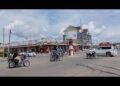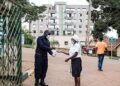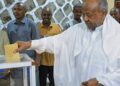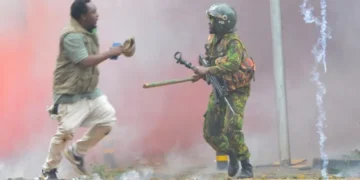


At least Sixteen people have died and 400 more were injured during nationwide protests in Kenya, as thousands took to the streets on the anniversary of last year’s anti-government demonstrations. The unrest centered around dissatisfaction with President William Ruto’s leadership, with chants of “Ruto must go” echoing through Nairobi and other cities.
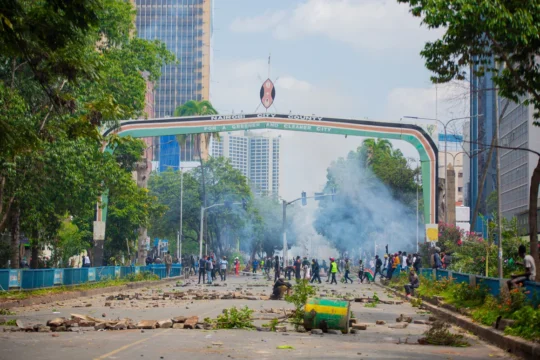
In an effort to control the movement, authorities deployed police barricades and razor wire, especially around Parliament and the president’s official residence, State House though President Ruto was notably absent, speaking instead at a burial in Kilifi County. Protesters attempted to march toward State House but were met with tear gas and heavy police resistance.
Despite the government’s attempt to ban live coverage of the demonstrations, the High Court overturned the decree, allowing media outlets to report on the unfolding events. Human rights organizations reported higher casualties than the government’s figures, with Amnesty Kenya claiming the death toll could be as high as 16.
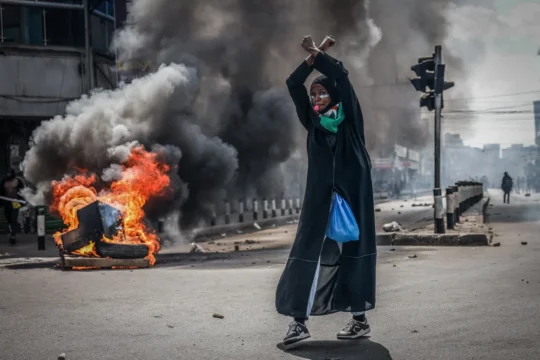
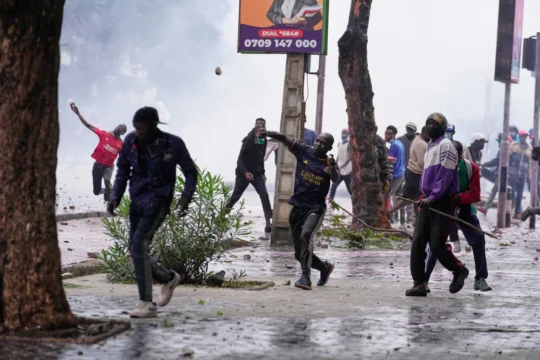
Among those marching was Amina Mude, who said she protested “to fight for the future” of her children, citing deep frustration with the direction of the country, particularly around education and public services.
Symbols of grief and defiance including wreaths and notes lined the gates of Parliament, as demonstrators remembered those who died in the 2024 protests and demanded accountability from the security forces.