

A recent cholera outbreak in Sudan has resulted in the deaths of 172 individuals and has infected over 2,500 people in just one week, as reported by authorities on Tuesday.
The majority of cases were identified in Khartoum, the capital of Sudan, and its neighboring city, Omdurman, although cholera has also been found in various other provinces throughout the nation.
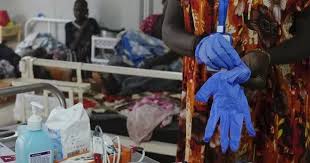
The medical NGO Doctors Without Borders, also referred to as Médecins Sans Frontières or MSF, indicated that the healthcare facilities in Sudan are struggling to manage the influx of patients.
The increase in cholera cases began in mid-May, with MSF teams attending to nearly 2,000 suspected cases in the past week alone, according to Joyce Bakker, the Sudan coordinator for MSF.
She described the conditions in treatment centers as “disturbing,” noting that many patients arrive “too late to be saved.”
“We are unaware of the actual extent of the outbreak, and our teams can only observe a small portion of the overall situation,” Bakker remarked.
She urged for a coordinated response that includes water, sanitation, and hygiene initiatives, as well as additional treatment facilities.
In March, MSF reported that 92 individuals had succumbed to cholera in Sudan’s White Nile State, where 2,700 people had been infected with the disease since late February.
The World Health Organization (WHO) stated that cholera is a rapidly spreading and highly infectious waterborne disease that leads to diarrhea, severe dehydration, and can result in death within hours if not treated.
The illness spreads through the consumption of tainted food or water.
This cholera outbreak marks the latest emergency for Sudan, which has been embroiled in conflict since April, entering its third year of war.
Since the onset of fighting in 2023, at least 20,000 fatalities have been reported, although the actual figure is likely much higher, and over 14 million individuals have been displaced from their residences.
According to the United Nations, Sudan is grappling with what is considered the largest humanitarian crisis globally, characterized by war crimes, disease outbreaks, famine, and insufficient access to safe drinking water.
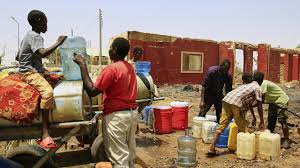
Haitham Ibrahim, the country’s health minister, linked the rise in cholera cases around Khartoum to the influx of many Sudanese who returned after fleeing their homes.
He noted that their return has put additional pressure on the city’s already limited water supply.
The cholera outbreak in Sudan is part of a broader epidemic that has affected 18 African nations since January, with the Democratic Republic of Congo, Angola, and South Sudan being among the hardest hit, as reported by the WHO.