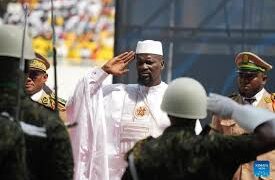


Guinea’s military leader, General Mamadi Doumbouya, was sworn in as president on Saturday following a decisive victory in December’s presidential election.
The inauguration ceremony took place at a newly built 55,000-seat stadium on the outskirts of the capital, Conakry, and was attended by several African leaders as well as representatives from the African Union and the ECOWAS Commission.
Doumbouya seized power in a military coup in 2021 and initially pledged not to run for office. However, under his leadership, a new constitution was adopted that lifted the ban on military leaders contesting elections and extended the presidential term from five to seven years.
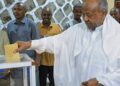
Opposition figures and rights groups accuse Doumbouya of suppressing dissent and sidelining political rivals, leaving him largely unchallenged among the eight candidates who took part in the election. Official results showed he secured 86.7 percent of the vote, a result widely anticipated by analysts and later validated by the Supreme Court in Conakry.
The runner-up, Yero Baldé, who received 6.59 percent of the vote, had filed a complaint alleging manipulation of the electoral process in Doumbouya’s favor. Authorities said the petition was withdrawn a day before the Supreme Court delivered its ruling.
Despite its vast mineral wealth, Guinea continues to face deep economic challenges. Around half of the country’s 15 million people live in poverty and suffer from severe food insecurity, according to the World Food Program.
Doumbouya’s new administration has placed strong emphasis on reviving the economy through large-scale mining projects, including the Chinese-majority-owned Simandou iron ore project. Production at the long-delayed site began last year, raising hopes of an economic boost for the country.