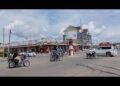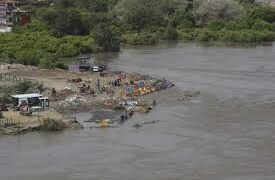


Catastrophic flooding in Sudan’s Nile State has claimed the lives of over 30 people and left thousands stranded, as the Blue and White Nile rivers burst their banks, submerging homes and farmland. The deluge has deepened the country’s already critical humanitarian crisis, with hundreds of residences destroyed and basic infrastructure overwhelmed.
Residents recount a harrowing night as floodwaters surged without warning. “We were asleep, and at around 1:30 in the morning, the floods arrived,” said Ramadan Ali. “We couldn’t find a way to combat this massive amount of water. Our situation is truly terrible. Everyone here is suffering.”
Efforts to contain the damage have been hampered by a lack of equipment and persistent heavy rains, which continue to obstruct rescue operations in low-lying areas. The flooding has also impacted other regions, including Blue Nile, Al Jazirah, and Khartoum.
In River Nile State, frustration is mounting. Locals blame poor urban planning for the scale of the disaster. “Heavy rains fell, but planning errors by the Abu Hamad locality are the cause,” said Abdul Sami Hussein. “They built animal pens and shops in flood-prone zones, and now those areas are underwater.”
Sudan’s Ministry of Agriculture and Irrigation had previously warned that six states including Gezira and Khartoum were at high risk of Nile flooding this year. Authorities are urging residents in vulnerable areas to take precautionary measures.
Meanwhile, Egypt, also grappling with flooding in the Nile Delta, has accused Ethiopia’s newly operational dam on the Blue Nile of contributing to rising water levels. Ethiopia has denied the claims, asserting that the dam has actually helped mitigate the flooding.