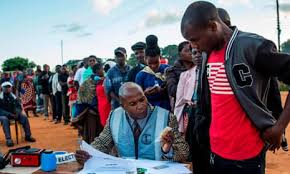


This week, Malawians are casting their votes in a pivotal presidential election, hoping for change as the nation battles a severe economic crisis, widespread shortages, and lingering distrust from a controversial election six years ago.
President Lazarus Chakwera, 70, of the Malawi Congress Party, is seeking a second term. His main rival is 85-year-old Peter Mutharika of the Democratic Progressive Party, who previously held the presidency until the 2019 election was annulled due to irregularities. Chakwera won the court-ordered re-run in 2020.
This year’s ballot features 17 presidential candidates, including former president Joyce Banda. Voters will also choose members of Parliament and over 500 local council representatives.
Once buoyed by street protests that helped propel Chakwera to victory, public sentiment has soured. Inflation has surged from 8% in 2020 to 27%, and essentials like fuel, sugar, and fertilizer have become scarce. Natural disasters Cyclone Freddy in 2023 and a drought in 2024 have devastated crops, worsening food insecurity.
The tragic death of Vice President Saulos Chilima in a plane crash last year further shook the nation. Chilima had been seen as a rising political star and a potential future leader.
Political analyst Boniface Dulani summed up the mood: “Malawians are weary. They want results, not just rhetoric.”
Following the flawed 2019 vote, Malawi adopted a new electoral rule: candidates must secure over 50% of the vote to win. Analysts predict a likely runoff, with Chakwera and Mutharika again emerging as the top contenders.
Mutharika’s campaign has focused on restoring “trusted leadership,” though his decision to name the former head of the electoral commission who oversaw the discredited 2019 vote as his running mate has sparked controversy.
Despite his limited public appearances and concerns about his age, some voters remain loyal. “Back then, we could afford fertilizer,” said Eliza Justin, a market trader. “Now, prices are killing us. We need Mutharika back to save us.”
The Malawi Electoral Commission faces intense scrutiny as it prepares to oversee Tuesday’s vote. With public trust still fragile, the outcome of this election could reshape the country’s political landscape and determine whether weary citizens find renewed hope or deeper frustration.