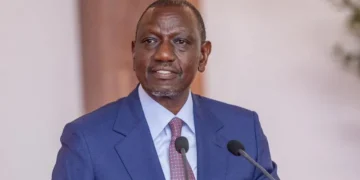


Kenya’s President William Ruto has sparked widespread concern following his directive to police forces to shoot protesters who target businesses not fatally, but in the legs to incapacitate them. The president stated, “Anyone caught burning another person’s business or property should be shot in the leg, hospitalised, and later taken to court. Don’t kill them, but ensure their legs are broken.”
The move comes amid mounting unrest across the country. According to the Kenya National Commission on Human Rights (KNCHR), protests that erupted in Nairobi and other cities left at least 31 dead, over 100 injured, and more than 500 arrested. However, police officials put the death toll at 11.
The UN and global human rights groups have condemned the violence, accusing Kenyan police of using lethal force and live ammunition. In response, Ruto defended law enforcement, calling attacks on police a “declaration of war.” He emphasized that changes in leadership must happen through the ballot box, urging critics to wait for the 2027 elections.
Ruto warned political rivals against using unlawful methods to unseat him, and former ally Rigathi Gachagua dismissed claims of an attempted overthrow, asserting that opposition parties simply aim to challenge Ruto electorally.
The unrest has been fueled by rising economic hardship and youth unemployment, compounded by anger over increased taxes and the recent death of blogger Albert Ojwang in police custody. Demonstrators flooded the streets chanting “Ruto must go” and “wantam” (one term), turning a day meant to commemorate Kenya’s democracy into violent clashes across 17 counties.
Among the casualties was a 12 year old child struck by a stray bullet in Kiambu. The KNCHR has expressed alarm at the escalating violence, condemning human rights violations by both law enforcement and civilians. Religious and civil rights groups are now calling for independent investigations into extrajudicial killings, property destruction, and arbitrary arrests.
Allegations have emerged that police used unmarked vehicles to transport armed gangs into opposition strongholds. Hospitals were also attacked, with medical equipment stolen and staff intimidated.
Government spokesman Gabriel Muthuma acknowledged excessive force by some officers and confirmed ongoing investigations. Meanwhile, Chief Justice Martha Koome urged restraint, warning that continued violence could fracture Kenya’s democratic foundations.
President Ruto, while admitting the seriousness of the unemployment crisis, insisted it predates his administration and reaffirmed his commitment to restoring order. “You can call me whatever names you want to call me, but I will make sure there is peace and stability in Kenya.”