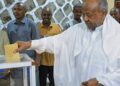


President Bola Ahmed Tinubu has signed into law four sweeping tax reform bills aimed at modernizing Nigeria’s tax system, improving revenue collection, and easing the burden on low-income earners and small businesses. The reforms are set to take effect from January 1, 2026.
The newly enacted laws include:
- Nigeria Tax Bill
- Nigeria Tax Administration Bill
- Nigeria Revenue Service (Establishment) Bill
- Joint Revenue Board (Establishment) Bill
At the signing ceremony held at the Presidential Villa in Abuja, Tinubu described the reforms as a “turning point” in Nigeria’s economic trajectory. “We are showing that Nigeria is truly ready and open for business,” he said, emphasizing the need for a transparent, efficient, and equitable tax system.
The reforms aim to:
- Simplify and harmonize Nigeria’s fragmented tax statutes
- Reduce corporate tax from 30% to 25% for qualifying businesses
- Exempt low-revenue small businesses from company tax
- Establish the Nigeria Revenue Service (NRS) to replace the Federal Inland Revenue Service, with expanded powers and accountability mechanisms
- Create a Joint Revenue Board to coordinate tax efforts across federal, state, and local governments
The overhaul is part of a broader economic reform agenda that includes subsidy removals and currency liberalization. While praised by economists for addressing long-standing inefficiencies, the reforms have also sparked debate over implementation and equity.
Analysts say the success of the new tax regime will depend on how effectively the government manages the transition and ensures transparency in the use of public funds.