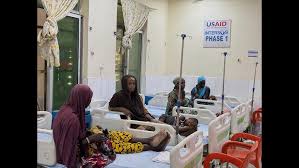


Leaders at the World Health Summit in Nairobi said sweeping cuts to US aid in Africa should serve as a turning point, pushing countries across the continent to take greater control of their own health systems.
The three-day gathering, which brought together 15 African health ministers along with thousands of researchers and NGO representatives, focused heavily on the idea of “health sovereignty.” Many participants argued that the decline in foreign funding presents a rare opportunity to move away from long-standing dependence on external donors.
The reduction in aid driven in large part by US President Donald Trump’s decision to dismantle the $40 billion a year USAID agency has sparked controversy in Western countries. However, some African voices at the summit welcomed the shift, saying decades of aid have sometimes encouraged corruption and weakened domestic accountability.
Lukoye Atwoli, a co-host of the summit, criticized what he described as an outdated model of development assistance built on the notion of “poor medicine for poor people.” He said that approach no longer reflects the progress seen in countries like Kenya, which have expanded health insurance and modernized care, despite ongoing challenges.
World Health Summit president Axel Pries described the cuts as a second major “wake up call” for Africa, following the inequities exposed during the Covid 19 pandemic, when many countries struggled to access vaccines.
“This is not a viral crisis but a political one,” Pries said, arguing that the shift in funding forces a fundamental rethink of how health systems are financed. He called for stronger domestic investment and an end to the traditional donor-recipient dynamic.
While acknowledging that reform was inevitable, Pries criticized how the cuts were implemented, calling the abrupt halt “brutal” and warning that it has left millions without access to critical treatments for diseases such as HIV/AIDS.
He also raised concerns about the US moving away from multilateral institutions like the World Health Organization in favor of direct bilateral deals. According to Pries, such arrangements risk turning valuable health data into a bargaining tool, potentially limiting access for the broader international community.
Some African countries have already expressed fears that sharing data under these agreements could lead to the development of treatments that are not made available to them.
Pries cautioned that these trends should not be ignored, warning that the situation demands close scrutiny as global health cooperation enters a new and uncertain phase.
- Latest
- Trending