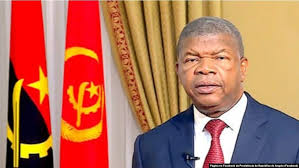


In his first public remarks since a wave of violent protests gripped Angola, President João Lourenço steered clear of addressing the controversial fuel price hikes that sparked the unrest.
Instead, Lourenço attributed the chaos to “irresponsible citizens” influenced by “unpatriotic organizations,” offering no further details. The protests, triggered by fuel price increases effective from July 1, led to confrontations between demonstrators and security forces. Official reports say at least 30 people lost their lives during the unrest.
The president defended police actions, stating they were vital to restoring public order. However, human rights organizations condemned the response, accusing security forces of using excessive force and blaming them for the deaths of civilians attempting to express their grievances peacefully.
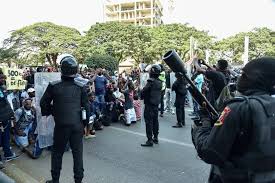
Angola’s interior minister maintained that law enforcement intervened to halt widespread looting and vandalism during the protests.
Lourenço pledged government support for businesses impacted by the violence. By Saturday, a semblance of normalcy had returned to Luanda, the nation’s capital, with public transport resumed and commercial activity picking back up.
As one of Africa’s top oil producers, Angola continues to face economic challenges exacerbated by shifting global fuel markets.