

Just days before South African scientists were set to launch clinical trials for a promising new HIV vaccine, an unexpected email halted everything: the United States, under the Trump administration, was withdrawing its financial support.
The $46 million allocated for the BRILLIANT program an ambitious research initiative rooted in South Africa’s unique genetic diversity and decades of expertise in HIV care was abruptly pulled, derailing efforts to combat one of the world’s deadliest diseases.
South Africa, home to the highest number of people living with HIV globally, had received roughly $400 million annually through USAID and the HIV centered PEPFAR program. Those aid streams are now gone, part of a wider shift in U.S. foreign aid policy.
Dr. Glenda Gray, head of the BRILLIANT program, warned that the cuts jeopardize Africa’s leading role in global health innovation. Trials in South Africa helped advance lenacapavir, a twice-yearly HIV prevention shot recently approved by the U.S. FDA.
“We run trials better, faster, and cheaper than anywhere in the world,” Gray said. “Without South Africa, the world is poorer.”
South Africa’s key contributions during COVID-19including vaccine trials and tracking viral mutations underscore its scientific importance.
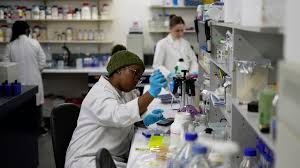
Inside the University of the Witwatersrand, once bustling labs are quieting. Technician Nozipho Mlotshwa now faces unemployment, her grant-funded role in jeopardy. With youth unemployment near 46%, the loss is devastating.
Professor Abdullah Ely, leading the vaccine team, said the research was showing early signs of immune success. Now, “all momentum has had to come to a halt.”
Equipment purchases have stopped. About 100 researchers tied to HIV programs are already laid off, and funds for postdoctoral work are drying up.
South Africa’s government warns that research institutions could lose up to $107 million in U.S. funding over five years affecting not just HIV but also tuberculosis efforts.
The fallout has also hit frontline care: at least 8,000 health workers have been let go. Without funding, data collection on patients, access to medicine, and rural outreach have all suffered.
Universities South Africa has appealed to the national treasury for $110 million in emergency support.
During a June visit, UNAIDS Executive Director Winnie Byanyima emphasized the danger. Other African nations like Zambia, Nigeria, Burundi, and Ivory Coast are scrambling to boost domestic funding, but she cautioned that “it’s not the same scale or impact as American resources.”