At least seven people have died and many others were injured amid a wave of anti-government protests in Lomé, the capital of Togo, according to early reports from local civic organizations on Sunday.
The demonstrations were sparked by constitutional changes that critics say could entrench the rule of President Faure Gnassingbé, who has been in power since 2005. Emerging videos appear to show harsh tactics by security forces in response.
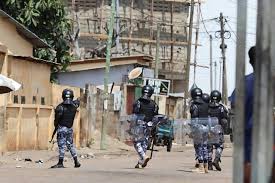
Police deployed tear gas and were seen allegedly striking protesters with batons in several districts of Lomé. Some demonstrators reportedly sustained serious injuries, as depicted in widely circulated video clips.
Meanwhile, internet access has been disrupted across the country, with social media intermittently going dark an apparent effort to curb mobilization.
The protests, which took place on June 26, 27, and 28, followed calls from civil society leaders and online activists in response to the government’s earlier suppression of public dissent this month.
President Gnassingbé was recently sworn in as President of the Council of Ministers, a powerful new role with no term limits, allowing Parliament to re-elect him indefinitely. His former position as national president, now largely symbolic, was assigned to Jean-Lucien Kwassi Savi de Tove.
Opposition parties have condemned the developments as a “constitutional coup,” arguing that the reforms undermine democracy.
Since a deadly market attack in 2022, public protests have been officially banned in Togo. Yet, this latest political maneuver has ignited rare public demonstrations, drawing criticism within a West African region already grappling with political instability and military takeovers.