

Violent clashes broke out across Togo’s capital on Thursday as demonstrators took to the streets to protest recent constitutional reforms that critics say could allow President Faure Gnassingbé to remain in power indefinitely.
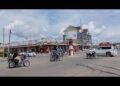
A heavy police and military presence blanketed Lomé, where many businesses shuttered in anticipation of unrest. Protesters erected barricades, burned tires, and hurled projectiles at security forces in several neighborhoods. In response, police deployed tear gas and arrested at least 10 people in the opposition stronghold of Bè.
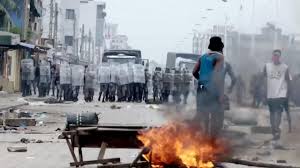
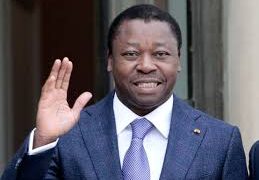
The protests were sparked by Gnassingbé’s appointment in May as President of the Council of Ministers, a newly empowered role with no term limits and the potential for indefinite re-election by parliament. Opposition leaders have condemned the move as a “constitutional coup”, warning it undermines democratic norms in a region already grappling with instability.
The demonstrations organized by civil society groups and amplified by social media influencers are scheduled to continue through June 28. A coalition known as “Hands Off My Constitution” has demanded the release of around 100 political prisoners and urgent action to address the country’s economic hardships.
Public protests have been banned in Togo since 2022, following a deadly attack at Lomé’s main market. Despite this, the scale and intensity of the current unrest reflect growing frustration among citizens, particularly the youth, over governance, rising costs of living, and political repression.
As tensions rise, the international community is watching closely, wary of further democratic backsliding in West Africa.