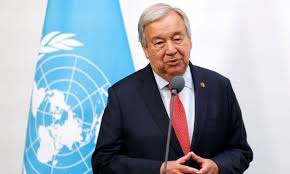


U.N. Secretary-General António Guterres emphasized that the effectiveness of the world body’s peacekeeping efforts relies heavily on the commitment of its member states, urging them on Tuesday to fulfill their financial responsibilities.
The United Nations’ peacekeeping department currently oversees 11 operations in various countries, including Congo, the Central African Republic, South Sudan, Lebanon, Cyprus, and Kosovo.
The budget for nine of these operations for the fiscal year ending June 30 is $5.6 billion, which is 8.2% lower than the previous year. Each of the 193 member nations is legally required to contribute to peacekeeping efforts.
Guterres pointed out that, with a budget that constitutes a mere fraction of global military expenditures—approximately half of one percent—U.N. peacekeeping remains one of the most efficient and economical means of fostering international peace and security.
However, he stressed that its strength is directly tied to the commitment of member states. At the commencement of a two-day conference in Germany focused on the future of peacekeeping, he noted,
‘Unfortunately, peacekeeping operations are currently experiencing significant liquidity challenges. It is crucial for all member states to honor their financial commitments by making timely and complete payments.’
While Guterres did not provide specifics on the financial issues, he recognized that ‘these are challenging times for funding our initiatives across the board.’
The United Nations has been urgently working to address funding reductions for aid initiatives from its largest contributor, the United States, during President Donald Trump’s tenure.
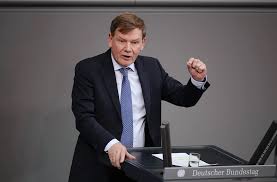
German Foreign Minister Johann Wadephul stated that Germany, along with several other nations, is ready to commit more resources for peacekeeping efforts.
However, he emphasized the need to enhance the efficiency and focus of missions by establishing clearer mandates, reducing bureaucratic processes, and preventing redundancy.