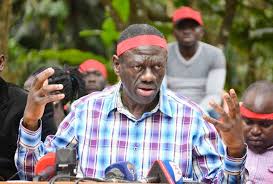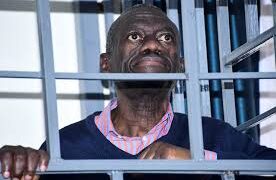


A leading opposition figure in Uganda is set to face trial on the grave charge of treachery, as determined by a military court on Tuesday. This development intensifies the legal challenges confronting Kizza Besigye ahead of the presidential elections slated for 2026. The charge of treachery carries the potential penalty of death for those found guilty.
Besigye, who has run for the presidency four times, was reported missing in Nairobi, Kenya, on November 16. Shortly thereafter, he and his co-defendant, Obeid Lutale, an assistant, were brought before a military court in Kampala, the capital of Uganda.
He faces charges of illegal firearm possession and soliciting military support from abroad with the intent to undermine national security. Besigye has denied these allegations and is currently in custody.
On Monday, a military prosecutor revised the charge sheet to include the treachery charge and introduced a third suspect, a serving army officer, which took defense attorneys by surprise and prompted them to contest the amendment.
At 68 years old, Besigye has endured multiple arrests and assaults throughout his political journey but has never been convicted of any crime.
Amnesty International has urged for Besigye’s release, asserting that his “abduction clearly violated international human rights law and the necessary fair trial protections associated with extradition.”
According to Human Rights Watch, Besigye’s trial exemplifies the Ugandan authorities’ misuse of military courts and related charges to suppress opposition voices.
The ongoing trial of Besigye is being closely monitored by Ugandans who are concerned about the political landscape as presidential elections approach. Yoweri Museveni, who has been in power since 1986, is anticipated to run for re-election; however, some analysts speculate that he might choose to step down.
There is no clear successor within the ruling National Resistance Movement party, which contributes to widespread anxiety regarding a potentially volatile political transition.
Besigye, a trained physician and retired military colonel, previously led the opposition Forum for Democratic Change (FDC) party, which was the most significant opposition force in Uganda for many years. He is a staunch critic of Museveni, having once served as his military aide and personal physician before their relationship soured in the 1990s due to Besigye’s concerns over Museveni’s drift towards authoritarianism.
Human rights organizations have consistently condemned Museveni for alleged abuses against opposition members. Since gaining independence from British colonial rule in 1962, Uganda has not experienced a peaceful transfer of power.