In a rare moment of coordination between enemies, tens of thousands of students in eastern Congo sat for national secondary school exams this week, despite the region being under the control of the M23 rebel group.
The Rwanda-backed insurgents, who captured major cities in North and South Kivu earlier this year, allowed the Congolese government to distribute exam materials across rebel-held territory a logistical challenge requiring careful planning and cooperation.
The exams, crucial for university admission, began Monday and will run through mid-June. Education officials traveled from the capital, Kinshasa, to deliver documents to 111 testing centers in the region, including in towns under M23 control.
“We were among those who went to Kinshasa to collect the items,” said Jean-Marie Mwayesi, a senior education officer in South Kivu. “Thanks to the efforts of our teams and partners, all centers have received the materials.”
The government also waived exam fees normally over $40 for students in North and South Kivu, citing insecurity and displacement due to ongoing conflict
Despite M23’s past calls for the ousting of President Felix Tshisekedi, rebel leader Bertrand Bisimwa told Reuters that the group acknowledges Kinshasa’s authority over national education efforts.
“The education of our children is apolitical,” Bisimwa said. “It must be protected from political divisions. We all work for the well-being of our children.”
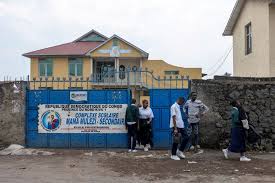
Of the 44,000 registered students, around 42,000 attended, with absences likely due to displacement from fighting, according to Mwayesi.
At an exam center in Bukavu, the regional capital now controlled by M23 since February, students like Exauce Katete reported a calm environment, despite the heavy presence of plainclothes rebel security outside
“Yes, security is there. There are no disturbances, no noise — everything is going well,” Katete said.
The M23 has long been accused by human rights organizations of serious abuses, including the killing of civilians and children — charges the group denies. Nonetheless, this rare moment of cooperation highlights the complicated reality of governance in conflict zones, where education continues even amid war.