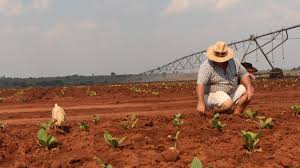


Zimbabwe’s government has revealed an initial compensation payment of US$3 million (£2.3 million) to white farmers whose properties were confiscated under a contentious government initiative over twenty years ago.
This marks the first disbursement under the 2020 compensation agreement established between the government and local white farmers, in which Zimbabwe pledged to pay a total of $3.5 billion (£2.6 billion) for the expropriated farmland.
Between 2000 and 2001, thousands of white farmers were forcibly removed from their land, often through violent means.
While the land seizures aimed to rectify historical colonial land injustices, they also contributed to the nation’s economic downturn and strained relations with Western countries.
The payment announced on Wednesday will address the first 378 farms out of a total of 740 that have received compensation approval.
This amount constitutes 1% of the overall $311 million set aside for the initial round of payments.
The remaining compensation will be distributed through US-dollar denominated Treasury bonds, according to Finance Minister Mthuli Ncube.
“One of our commitments in our efforts to reform the Zimbabwean economy and settle our debts is to compensate the former landowners who lost their farms during the land reform initiative,” he stated.
Harry Orphanides, a representative for the farmers, informed the BBC that more farmers are now expressing interest in participating in the compensation program.
Nevertheless, most former farmers have yet to agree to the arrangement and continue to retain their title deeds.
The government has consented to compensate former landowners solely for the “improvements” made on the property, while refusing to reimburse them for the land itself, citing that it was unjustly taken by colonial powers.
It has given precedence to foreign-owned farms through separate negotiations. In January, Zimbabwe initiated compensation payments to foreign investors whose farms were safeguarded under bilateral investment agreements.
Following its independence in 1980, which ended years of white-minority governance, Zimbabwe found that most of its prime agricultural land was in the hands of approximately 4,000 white farmers.
The land reform initiative aimed to redistribute land from white owners to black farmers, addressing the injustices of colonial policies that had displaced thousands of black farmers and allocated the most fertile regions exclusively to white individuals.
In 2000, then-President Robert Mugabe endorsed land invasions carried out by a combination of government forces and vigilante groups, which drew widespread international criticism.
President Emmerson Mnangagwa, who succeeded Mugabe after a coup in 2017, has made efforts to reconnect with Western governments to restore diplomatic relations.
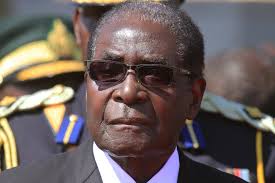
Mnangagwa has previously stated that land reform is irreversible but has pledged to provide compensation as a crucial step toward improving relations with the West.
For over twenty years, the southern African nation has been excluded from the global financial system, resulting in a struggling economy burdened by significant foreign debt.
Experts believe that the land compensation initiative represents a significant move towards repairing ties with Western countries and avoiding international sanctions against Zimbabwe.