

Dozens of worshippers abducted by gunmen in Nigeria’s northern Kaduna state have returned home weeks after their kidnapping, police have confirmed.
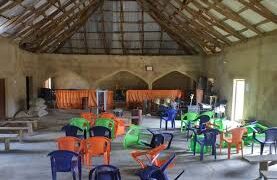
The returnees were among 177 people seized last month from three churches in the remote village of Kurmin Wali. According to police, 80 of the victims managed to escape on the same day they were abducted but hid in neighbouring villages for nearly two weeks out of fear of being captured again.
Kaduna state police spokesman Mansur Hassan told the BBC that efforts are continuing to secure the release of the remaining 86 people still in captivity. No group has claimed responsibility for the abductions, which form part of a broader wave of kidnappings for ransom affecting several parts of Nigeria.
The attack was initially denied by police and only officially confirmed on 21 January, after local residents reported to the BBC that 177 worshippers had been taken, with 11 escaping shortly afterwards. The official response prompted criticism from Amnesty International, which accused Nigerian authorities of being in “desperate denial” over the incident.
The rights group called on the government to take immediate and concrete steps to curb what it described as rampant abductions that are increasingly becoming commonplace in the country.
Kidnappings have surged across Nigeria in recent years. In November, more than 300 students and teachers were abducted from a Catholic school in neighbouring Niger state before being released in two separate groups.
Beyond kidnappings, Nigeria is grappling with multiple security challenges, including an Islamist insurgency in the north-east, separatist violence in the south-east, and recurring clashes between herders and farmers in central regions over land and water.
Security analysts say responses to these crises are undermined by corruption, weak intelligence sharing and underfunded local police forces. The situation has also drawn international attention. In December, the United States carried out airstrikes in north-western Nigeria on Christmas Day, targeting camps linked to an Islamist militant group.
Following the strikes, President Donald Trump warned that further action could follow if attacks on Christians continued. Nigerian authorities, however, maintain that people of all faiths have been victims of the widespread violence in Africa’s most populous nation.