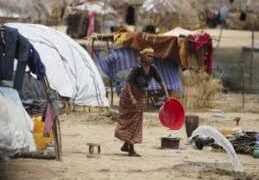


The UN World Food Programme has sounded the alarm over a growing humanitarian disaster in Nigeria and its neighboring countries. Margot van der Velden, WFP’s regional director, described the situation in Nigeria as “unprecedented,” with nearly 31 million people facing acute food insecurity a figure compared to the entire population of Texas going hungry.
The crisis is expected to intensify in August when funding shortfalls will force WFP to suspend aid in conflict affected regions. This will leave more than 1.3 million Nigerians without critical food and nutrition assistance. In Borno state alone, home to ongoing militant activity, 150 clinics risk closure, putting 300,000 children at risk of severe malnutrition and 700,000 displaced individuals at risk of starvation.
Van der Velden emphasized the steep drop in support from traditional donors like USAID, whose funding cuts began under the Trump administration and have been echoed by other Western nations. WFP says it urgently needs $130 million to maintain operations in Nigeria, but only 21% of that appeal has been met so far.
The crisis transcends national borders. Across West and Central Africa, WFP is scaling back emergency food relief due to a 60% reduction in aid capacity. Hard-hit countries like Mali and Niger have seen cuts exceeding 80%, with communities in Mauritania, Cameroon, and the Central African Republic facing similar shortfalls.
The WFP warns that this funding drought is intensifying food shortages, fueling instability, and undermining peace in some of Africa’s most vulnerable regions. “When food disappears, communities break down,” Van der Velden said, stressing the urgent need for international support to prevent deeper humanitarian fallout.