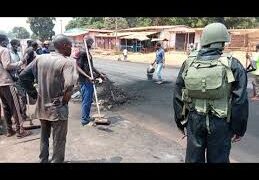


Over 150 hectares of sugarcane plantations in Cameroon have been devastated due to violent confrontations between employees of the Société Sucrière du Cameroun (SOSUCAM) and law enforcement. The unrest, which began earlier this week, is rooted in protests against poor working conditions, inadequate wages, and calls for improved labor practices.
Workers have condemned what they refer to as conditions akin to slavery, emphasizing the physical strain of harvesting sugarcane under challenging circumstances for minimal compensation. One anonymous employee remarked that despite the arduous nature of the job, they feel compelled to continue due to a lack of alternatives. “It’s like slavery with pay,” they stated, underscoring the meager wages and demanding workloads. The worker also noted that the dense sugarcane fields exacerbate the difficulty of the work, with much of the land failing to produce viable crops due to its closeness to urban development.
The situation intensified following a strike by workers, triggered by delays in salary disbursements. The protests escalated into violence, resulting in one fatality and multiple injuries, including among police personnel. Kanga Esaïe Hubert, the mayor of Nkoteng, where the violence took place, reported that approximately 20 individuals have been detained, and SOSUCAM’s operations have been halted for nearly ten days. The city is now heavily fortified, with many activities disrupted as tensions persist.
Mayor Kanga Esaïe Hubert confirmed the fatal incident and detailed the destruction caused during the unrest, including damage to vehicles. He mentioned that the workers had presented a list of demands, some of which have been addressed, while others remain unresolved.
The images depicting the violence have provoked widespread outrage across Cameroon’s political landscape. In light of the ongoing turmoil, SOSUCAM, a subsidiary of the French conglomerate Somdiaa, announced on Friday its intention to raise workers’ salaries and monthly bonuses. This initiative aims to alleviate some of the concerns, yet many workers remain doubtful until their comprehensive demands are fully satisfied.