

Global malaria cases increased by 11 million in 2023, reaching an estimated total of 263 million, as reported by the World Health Organization (WHO). This indicates another year of minimal advancement in the fight against this lethal disease, which continues to take hundreds of thousands of lives each year.
In 2023, malaria-related deaths amounted to 597,000, a figure similar to that of 2022. The report emphasized that the vast majority of these deaths occurred among children under five years old in Africa.
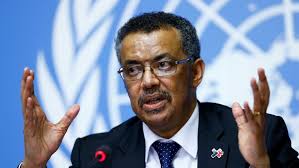
“No one should die of malaria; yet the disease continues to disproportionately harm people living in the African region, especially young children and pregnant women,” stated WHO Director-General Dr. Tedros Adhanom Ghebreyesus.
From 2000 to 2015, there was a notable decline in both malaria cases and deaths. However, progress has stalled in recent years, with setbacks worsened by the COVID-19 pandemic. The incidence of malaria cases per 1,000 individuals at risk has increased from 58 in 2015 to 60.4 in 2023, nearly tripling the WHO’s target.
Additionally, the death rate was recorded at 13.7 per 100,000 people at risk, more than double the target established by the organization.
While new tools, including two vaccines and advanced bed nets, provide hope, the fight against malaria faces numerous challenges. Factors such as climate change, conflict, displacement, drug and insecticide resistance, and inadequate funding present significant hurdles. The report indicated that $4 billion was allocated for malaria control in 2023, which is less than half of the estimated $8.3 billion required.
Despite these obstacles, some countries have shown progress, highlighting the potential for effective interventions when sufficient resources are available.
The WHO’s findings stress the critical need for renewed global commitment and investment to combat malaria, which remains one of the deadliest infectious diseases worldwide.