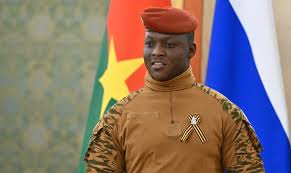


Burkina Faso’s transitional parliament on Monday approved a bill banning all political parties, a sweeping move that observers say will allow the ruling military junta to further consolidate its hold on power under Captain Ibrahim Traoré.
The bill, which passed without any opposition from lawmakers, repeals the country’s charter of political parties as well as legislation governing party financing, electoral campaigns, and the legal status of the political opposition. With its adoption, the formal framework for multiparty politics in Burkina Faso has effectively been dismantled.
Political party activities have already been suspended since the army seized power in a coup in 2022, citing the failure of civilian authorities to stem jihadist violence. Monday’s decision formalizes that suspension and signals a longer-term restructuring of the political system under military rule.
The move has drawn international concern. On Thursday, the United Nations High Commissioner for Human Rights urged the Burkinabe authorities to halt what he described as the ongoing repression of civic space and to reverse plans to outlaw political parties. Rights groups warn that the ban further erodes democratic freedoms in a country already facing severe security and humanitarian crises.
The party ban comes amid a broader tightening of controls on civil society. In July, authorities enacted a restrictive new law governing freedom of association, and in November issued a decree requiring non-governmental organizations and associations to open and maintain their cash accounts exclusively with a state-run bank—measures critics say increase state surveillance and limit independent activity.
Government officials have defended the ban, arguing it is necessary to “reset” the political landscape. A senior minister said political parties had polarized the population and weakened national unity, insisting the move would help refocus the country on security and sovereignty.
Burkina Faso, like its Sahel neighbors Mali and Niger, is now ruled by a military-led government that has sidelined traditional democratic institutions while promising eventual reforms. For many analysts, the outlawing of political parties marks a decisive step away from pluralist politics and raises questions about whether a return to civilian rule remains on the horizon.