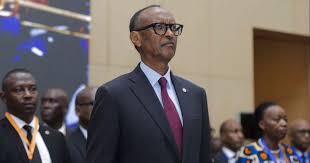


Rwanda has firmly denied accusations from the United Nations that its military forces were involved in the killing of hundreds of civilians in eastern Democratic Republic of Congo (DRC), calling the claims “false” and “unacceptable.”
The UN Office of the High Commissioner for Human Rights (OHCHR) reported that M23 rebels, allegedly backed by Rwandan troops, killed at least 319 civilians including women and children during coordinated attacks on four villages in North Kivu province between July 9 and July 21.
According to the UN, the victims were mostly farmers camping in their fields during the planting season. Eyewitness accounts suggest the killings were carried out with support from elements of the Rwanda Defence Force.
In response, Rwanda’s Ministry of Foreign Affairs issued a statement rejecting the allegations, arguing that the UN had provided no credible evidence or corroboration. Kigali accused the OHCHR of undermining peace efforts and questioned the agency’s investigative methodology.
The accusations come at a sensitive time, as peace negotiations between the Congolese government and M23 rebels continue. A declaration of principles was signed in Doha on July 19, committing both sides to a permanent ceasefire. However, violence has persisted on the ground, threatening hopes for a final peace agreement by August 18.
Multiple UN reports have previously linked Rwanda to the M23 insurgency, alleging that Kigali has supplied troops, weapons, and logistical support. Rwanda has consistently denied these claims, maintaining that its security concerns lie with the presence of the FDLR a rebel group with ties to the 1994 Rwandan genocide.
The proposed peace deal includes key provisions for the protection of civilians and the safe return of millions of displaced people. But with ongoing clashes and rising tensions, the path to lasting peace remains uncertain.