

Protests are expected to escalate in Togo this Friday, sparked by sweeping constitutional changes that critics say cement long time leader Faure Gnassingbé’s grip on power. The revised framework, enacted without a public vote earlier in 2024, transforms the role of prime minister into the highest executive office now held by Gnassingbé while reducing the presidency to a ceremonial post.
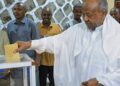
Gnassingbé, in power since 2005, was formally named prime minister in May. The new president, 86 year old Jean-Lucien Savi de Tové, was appointed by the legislature, fueling accusations of democratic backsliding.
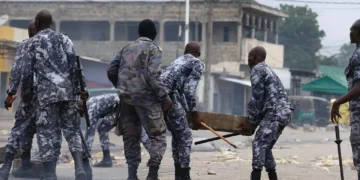
At least five protesters have died in recent weeks during clashes with security forces in Lomé, the capital. Demonstrations have taken root outside the traditional political opposition, with youth led movements, artists, and digital activists taking the lead.
The ruling UNIR party maintains dominance in the National Assembly, aided by electoral districts favoring its stronghold in the north. Officials insist the latest elections were fair and urge that civil unrest remain peaceful.
Opposition voices continue to demand accountability, fair representation, and a return to democratic norms.