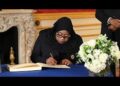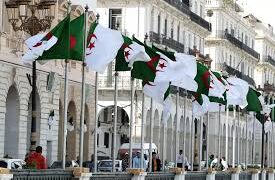


African leaders gathered in Algiers on Sunday to call for the formal recognition, criminalization, and reparations for colonial-era crimes. The summit, which was backed by the African Union (AU), emphasized the need for a reparations process to be led by the AU.
At the May AU summit, a resolution was passed urging the definition of colonization as a crime against humanity an issue not yet addressed by current international law. The leaders highlighted the massive economic toll of colonialism, where European powers exploited Africa’s natural resources such as gold, diamonds, and rubber, leaving lasting economic and social scars. Some estimates suggest the economic cost of colonialism in Africa could reach trillions of dollars.
Algeria’s Foreign Minister Ahmed Attaf stressed the symbolic importance of hosting the meeting in Algeria, which experienced a brutal history under French rule. He proposed a legal framework that would ensure reparations are seen as rightful restitution, not as a “gift or favor.”
The brutal legacy of French colonialism in Algeria, including the war of independence that led to the deaths of hundreds of thousands, remains a stark example of the devastation wrought by European powers. French forces employed extreme tactics, including torture and forced disappearances, in their counterinsurgency efforts.
Attaf referred to Algeria’s ordeal as a unique example of colonial violence, emphasizing its significance in the ongoing quest for justice. In 2017, French President Emmanuel Macron acknowledged elements of colonialism as crimes against humanity but stopped short of a formal apology, instead urging Algerians not to focus on past wrongs.
The push for reparations also aligns with broader efforts by African countries to reclaim looted artifacts from European museums, such as the 16th-century Algerian cannon Baba Merzoug, still held in France.