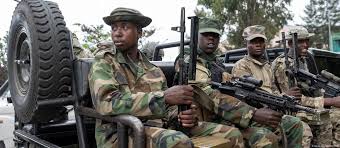


The M23 rebel group in eastern Democratic Republic of Congo has pulled out of peace negotiations with the government, citing violations of a previously agreed ceasefire. The group insists it will not return to the table unless the Congolese authorities honor the terms of the deal.
Tensions between the M23 and government forces intensified in January, when the rebels seized significant territory in the mineral-rich eastern region, including the strategic city of Goma.
A ceasefire agreement was signed last month in Qatar, intended to pave the way for a lasting peace. However, as talks were scheduled to resume on Monday, M23 representatives were notably absent. Spokesperson Lawrence Kanyuka told the BBC’s Great Lakes service that the government “doesn’t want peace,” accusing it of breaching the ceasefire by continuing military offensives.
The Congolese military has rejected these claims, countering that M23 fighters have been launching near-daily attacks in the North Kivu and South Kivu provinces.
According to a Qatari official, a draft peace agreement had been shared with both parties ahead of Monday’s deadline, but no formal signing took place.
The Qatar mediated deal is part of a broader peace initiative that includes a separate agreement between DR Congo and Rwanda, brokered by the United States in June. While DR Congo, the UN, and several Western nations accuse Rwanda of supporting M23, Rwanda has consistently denied involvement even while participating in the Washington talks.
Former U.S. President Donald Trump praised the Washington peace deal as a “glorious triumph,” highlighting its potential to open access to DR Congo’s vast mineral resources for American interests.
Despite these diplomatic efforts, the region remains mired in violence. The United Nations reports that thousands have been killed and hundreds of thousands displaced since the conflict reignited.