

Negotiations between the Democratic Republic of the Congo (DRC) and the Rwandan backed M23 rebel group are showing signs of progress, according to a diplomatic source in Qatar, where the discussions are taking place with Qatari mediation.
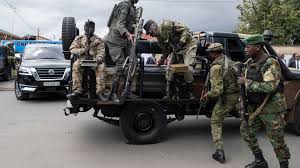
These talks follow M23’s recent push to reopen dialogue about unresolved issues in the U.S.-facilitated peace agreement signed last month between Kinshasa and Kigali. The accord seeks to end years of violence in eastern Congo, where fighting has displaced over 7 million people and killed thousands.
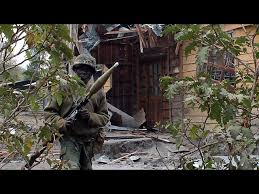
Despite the treaty, M23 which has not formally endorsed the deal remains a key player in the conflict. The group insists that direct talks with Congo must acknowledge its grievances. Leaders from the Congo River Alliance, which includes M23, have warned that any agreement excluding them is “against us.”
The deal is also seen by some Congolese as a strategic avenue for the U.S. to access Congo’s massive mineral reserves, estimated to be worth up to $24 trillion. These resources are critical for global tech and defense industries, and their control is a central part of U.S.-China competition in Africa.
Rwanda, accused of both backing M23 and exploiting Congolese minerals, denies involvement. Rwanda’s stated position is that its troops are safeguarding territorial interests, not aiding rebels.
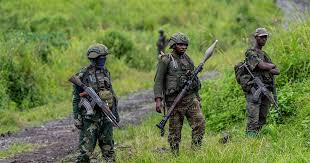
Congo hopes the U.S. will provide stronger security support to help remove rebel forces from key eastern cities like Goma and Bukavu. Meanwhile, voices within the region urge caution. Activists and analysts warn that lasting peace cannot be achieved without justice for victims and accountability for war crimes.
The roots of this conflict trace back to the 1994 Rwandan genocide, which drove millions across the border into Congo and triggered decades of unrest. Today, eastern Congo remains one of the world’s most severe humanitarian crises, with no immediate end in sight.