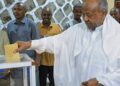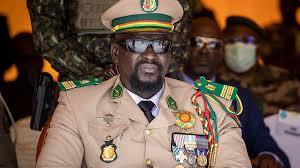


Guinea’s transitional government this week presented a draft constitution to General Mamady Doumbouya, head of the transitional authority, during a nationally televised announcement signaling what many hope is the country’s first concrete step toward a return to civilian governance.
The proposed constitution is slated for a referendum in September, nearly four years after a military coup ousted former President Alpha Condé in 2021. The document has drawn attention for both its similarities to previous constitutions and some key modifications.
Among the notable changes is an extension of presidential terms from five to seven years, with a strict two-term limit. However, observers raised concerns after reports emerged that a clause previously preventing anyone from serving more than two terms in their lifetime had been quietly removed before the draft was submitted.
Another significant addition is the establishment of a Senate, with one-third of its members appointed directly by the head of state a structure some critics worry could reinforce executive dominance.
The junta’s track record has been rocky. In recent years, it dissolved dozens of political parties and missed its own deadlines for organizing elections. Yet, hopes for a democratic transition were revived in May 2025, when Prime Minister Amadou Oury Bah announced that general elections would be held in December, following the constitutional referendum.
While skepticism remains, political analysts and civil society leaders view the draft’s publication as a possible turning point one that could restore constitutional order and pave the way for broader democratic reform.