

On Monday, the United Nations observed the 31st anniversary of the International Day of Reflection on the 1994 genocide in Rwanda.
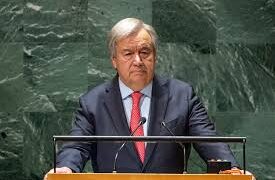
During the commemorative event at the U.N. General Assembly, Secretary-General Antonio Guterres emphasized that Rwanda’s past serves as a reminder that “no society is immune from hate and horror.”
Guterres urged all nations to promptly ratify the Genocide Convention and take measures to safeguard their populations from genocide, war crimes, ethnic cleansing, and crimes against humanity.
Rwanda’s U.N. ambassador, Robert Kayinamura, stated that the phrase “never again” should transcend mere symbolism. “It must inform our policies and actions, serving as a benchmark for our collective morality and accountability.”
This year’s commemoration is particularly poignant due to the ongoing crisis in eastern DR Congo, where the Rwanda-supported M23 militia has been attacking local authorities and has taken control of the significant towns of Bukavu and Goma.
Known locally as ‘Kwibuka,’ which translates to Remembrance Day in Kinyarwanda, this year’s observance marks the 100th anniversary of the eastern African nation’s commemoration efforts that began in 1994.
On April 7, 1994, following the assassination of the presidents of Rwanda and Burundi in a missile strike, the moderate Hutu Prime Minister of Rwanda, Agathe Uwilingiyimana, and her husband were murdered by Rwandan soldiers. In the subsequent 100 days, Hutu extremists killed hundreds of thousands of minority Tutsi and moderate Hutu individuals.